Best Time to Visit Northern Pakistan: Month-by-Month Guide
By Shafi · Updated 14 November 2026
Choosing the best time to visit Northern Pakistan depends on the valley, altitude and roads you want to use. For many first-time trips, late May to September is the broad summer window. April can suit a Hunza spring visit, while September and October may bring autumn colour. Babusar Top and other high routes have shorter seasons, and weather can change access at short notice.
Use this month-by-month guide to choose a likely season, then confirm the forecast, road status, transport and accommodation for your exact dates. A usual seasonal window is a planning clue, not a promise that a road or attraction will be open.
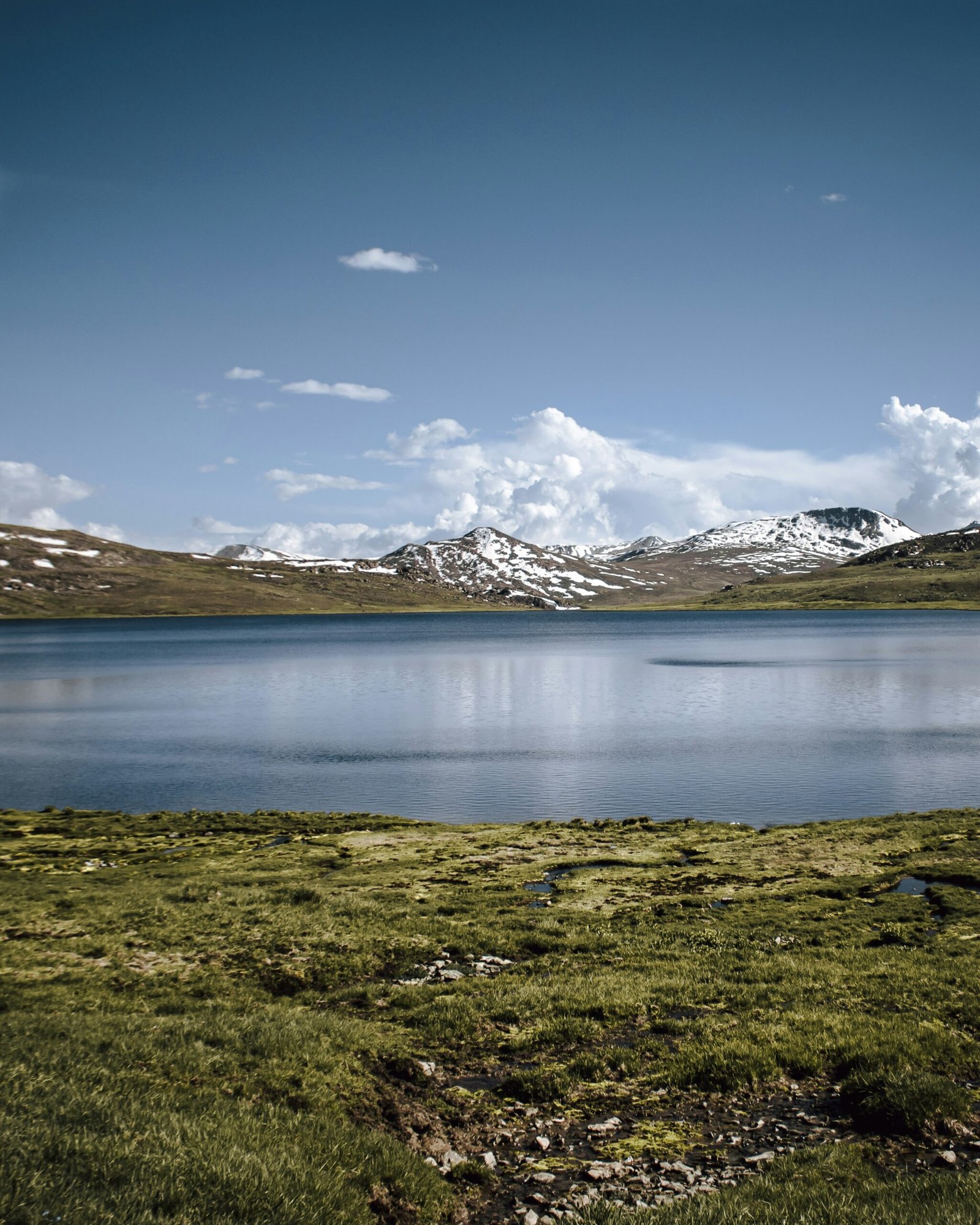
Latest seasonal access update (checked 14 November 2026)
The latest report I found, dated 12 November 2026, quotes Mansehra’s district police officer saying traffic beyond Bassal toward upper Kaghan had been restricted after fresh snowfall. The report said traffic to Naran was still operating at that time, while the Babusar crossing between Khyber Pakhtunkhwa and Gilgit-Baltistan was suspended. This is a dated report, not live road status; conditions may have changed.
Before travelling, check KP Tourism travel updates or call its 24/7 tourism helpline at 1422. Also check current Pakistan Meteorological Department forecasts, National Disaster Management Authority advisories and National Highways & Motorway Police updates. For a snowfall-prone trip, make sure your vehicle is winter-ready and carry suitable anti-skid chains, warm clothing, water, medicines and enough fuel. Follow official restrictions and delay travel during dangerous snowfall.
Sources: 12 November 2026 report quoting Mansehra district police; NDMA November 2026 advisory; KP Tourism travel updates.
At a glance: when should you plan a northern trip?
| Travel goal | Months to consider | What to keep in mind |
|---|---|---|
| Hunza spring scenery | April to May | Blossom timing changes by altitude and year; check local updates close to travel. |
| More summer road options | Late June to September | High passes may open seasonally; rain, snow or road work can still delay travel. |
| Autumn colours | Late September to October | Colour timing varies, and some seasonal services begin winding down. |
| Snow and quiet stays | November to March | Choose a place with confirmed transport, open accommodation and a flexible plan. |
Gilgit-Baltistan’s Tourism Department gives April to October as a broad visiting period for Hunza. A Khyber Pakhtunkhwa Tourism Department guide printed in 2018 describes Kaghan’s general tourist season as roughly mid-May to mid-October. These are broad references for planning; local conditions and individual routes differ.
Best time to visit Northern Pakistan, month by month
January
January is for travellers who specifically want a winter trip and can stay flexible. Snow and cold can affect upper roads, side valleys and services. Before booking, ask your accommodation which routes and facilities are operating during your dates; don’t assume summer access applies.
February
February is still deep winter in many high-altitude places. A quiet stay may be possible where transport and accommodation are confirmed, but keep a backup plan in case snow or road conditions interrupt the journey. Pack for freezing nights even if your departure city feels mild.
March
March is a transition month. Lower foothills may begin to feel more like spring, while upper valleys can remain cold or snowbound. If you are travelling mainly to see blossoms, check recent updates from the exact valley: flowering dates shift with altitude and the season.
April
April is worth considering for a spring visit to Hunza and nearby Gilgit-Baltistan locations. The regional tourism department describes April to October as a broad Hunza visiting window, but that does not mean every high pass or side road is open. Take warm layers for evenings and confirm access before setting out.
May
May can work well for lower Kaghan Valley stops, Shogran and early-season sightseeing as services reopen. The 2018 Khyber Pakhtunkhwa tourism guide places the general Kaghan tourist season from around mid-May. Higher roads may still have snow, so check each destination separately instead of treating the whole valley as open.
June
June brings more summer travel options, but the first half of the month can be early for some high routes. The 2018 Kaghan guide describes access toward Babusar Pass as typically beginning in late June. That date is not current road confirmation; snowfall, maintenance and local decisions can shift it each year.
July
July is a popular month for mountain holidays, and more upper-valley routes may be available when authorities confirm them. It is also a monsoon period in parts of the north. Heavy rain can mean delays, landslides or temporary restrictions, especially around vulnerable roads. Keep spare days in your itinerary and check official weather warnings.
August
August offers long summer days for a route that is confirmed open, but it is not risk-free. Rain can disrupt road travel, and holiday traffic can add time. Avoid tight flight connections or same-day plans that depend on crossing a high pass; leave room to stop or turn back if conditions worsen.
September
September is a useful shoulder-season option for travellers who want a little more flexibility than peak summer. Days can be pleasant and nights cooler, but conditions vary between valleys. Confirm that the places you want to visit, along with guesthouses and local transport, are still operating for your dates.
October
October may bring autumn colour in parts of Gilgit-Baltistan and is often a quieter time for lower-altitude sightseeing. Kaghan services can begin winding down: the 2018 tourism guide gives mid-October as the approximate end of the general season and notes that Babusar access can sometimes continue later. Check locally before travelling beyond Naran.
November
By November, winter conditions can return to upper routes and seasonal businesses. Plan around a specific open destination rather than a long list of high-altitude stops. Confirm the road, transport and accommodation directly shortly before departure.
December
December suits a planned winter stay where local operators confirm access. Snow can make the scenery memorable, but it can also change travel times or close a route. Check road and flight status with the relevant operator, keep warm clothing and avoid relying on a single connection home.
Season notes for Hunza, Kaghan and Babusar Top
Hunza and Gilgit-Baltistan
For Hunza, April to October is a broad period given by the Gilgit-Baltistan Tourism Department. Spring blossoms and autumn colour do not peak on the same fixed date every year. If one of them is the main reason for your trip, check recent local photos or tourism updates before you book.
Kaghan Valley, Naran and Shogran
The Khyber Pakhtunkhwa Tourism Department’s Kaghan Valley guide (printed 2018) gives a general season of mid-May to mid-October. It is useful background, but it is not a live road bulletin. Conditions can differ between Balakot, Shogran, Naran and the higher valley.
Babusar Top
Babusar is a high pass, so its access window is shorter and more weather-sensitive than a visit to lower Kaghan. The 2018 Kaghan guide describes the road as typically open from late June to late October and says rain or landslides can restrict movement. Treat those as historical seasonal estimates only. Confirm the current opening with local authorities before travelling, and do not start the crossing if officials advise against it.
Before you travel: a quick weather and road check
- Check the Pakistan Meteorological Department’s Khyber Pakhtunkhwa district forecast for the districts on your route. A forecast is not a live road-status update.
- Confirm road or pass access with local authorities, traffic police, your accommodation or a reliable local operator close to departure.
- Allow extra time for mountain driving, road work, rain and traffic. Plan to cross high sections in daylight.
- Carry warm layers, water, essential medicines, some cash and an offline map. Pack for the coldest stop, not just Islamabad or Lahore.
- If an official warning or local conditions make the journey unsafe, delay or change the route.
Continue planning your route
- Islamabad to Shogran by road: route and itinerary
- Naran to Babusar Top: route and seasonal travel tips
- How to reach Northern Pakistan from Islamabad, Karachi and Lahore
Frequently asked questions
What is the best month to visit Northern Pakistan?
There is no single best month for every valley. Late June to September is a broad summer window for many highland itineraries, while April may suit Hunza spring scenery and late September or October may suit autumn views. Check the route and local forecast for your exact dates.
When is Babusar Top usually open?
A 2018 Khyber Pakhtunkhwa tourism guide gives late June to late October as a typical seasonal window. It is not a fixed yearly schedule. Ask local authorities about the current road status before travelling.
Can I visit Northern Pakistan in winter?
Yes, some winter trips are possible, but access and services vary by destination. Confirm transport and accommodation, check weather and road updates, and keep your itinerary flexible.
When should I visit Hunza for blossoms or autumn colour?
Spring and autumn are both popular, but the timing changes by altitude and year. Use the Tourism Department’s broad April-to-October guidance as a starting point and check local updates close to your trip.
Official sources
- Gilgit-Baltistan Tourism Department: Altit Fort and Hunza visitor guidance.
- Khyber Pakhtunkhwa Tourism Department: Kaghan Valley guide, printed 2018. Seasonal dates are general historic guidance, not current road status.
- Pakistan Meteorological Department: Khyber Pakhtunkhwa district forecast.
Weather, road access and seasonal services can change from year to year and even during a trip. This page is for planning; it is not a live road-closure or flight-status service.