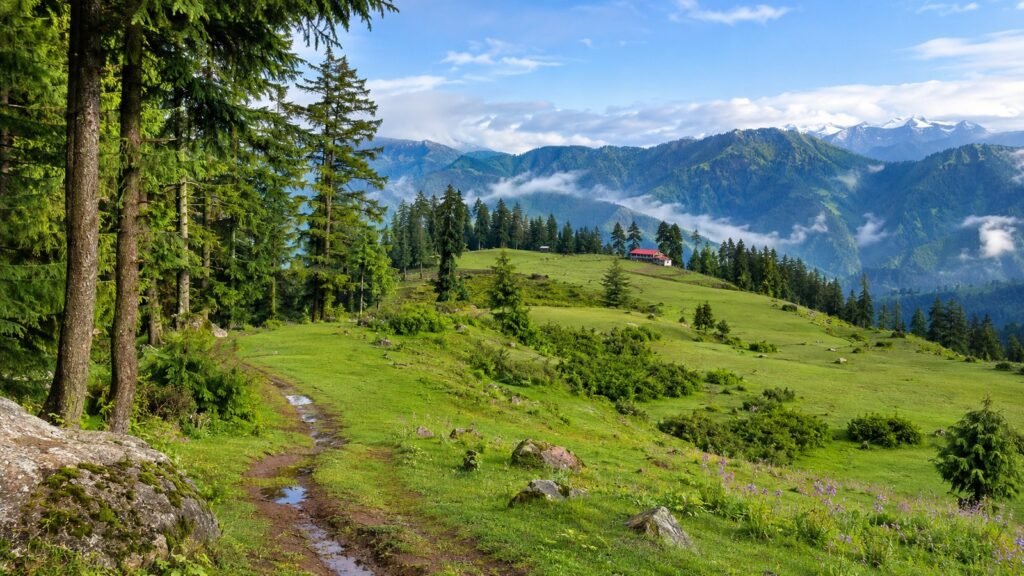
Planning a trip from Islamabad to Shogran? This forested plateau in the Kaghan Valley makes a rewarding northern getaway, with pine-covered slopes, cool mountain air and wide views of the surrounding peaks. The road journey passes through Mansehra, Balakot and Kiwai before climbing to Shogran. Here is a practical guide to the route, driving time, stops, a simple itinerary and the details to check before you leave. For flights, trains and road options from the major cities, see our guide to routes from Islamabad, Karachi and Lahore.
Islamabad to Shogran: quick facts
- Approximate distance: About 210–230 km from central Islamabad, depending on your starting point and the route.
- Planning time: Allow roughly 5–7 hours of driving, plus meal and rest stops. Summer weekends, road work, rain and traffic can add time.
- Main route: Islamabad → M-1/M-15 Hazara Motorway → Mansehra → Balakot → Kiwai → Shogran.
- Shogran elevation: Approximately 2,362 metres above sea level.
- Last climb: A steep, winding road climbs about 7 km from Kiwai to Shogran.
- Siri Paye: A separate high-meadow excursion above Shogran, normally reached by a local 4×4 jeep.
These are planning estimates rather than guaranteed travel times. Check your live map before leaving and confirm road access locally, especially during rain, snowfall or the shoulder season.
Best route from Islamabad to Shogran
From Islamabad, take the M-1 and continue onto the M-15 Hazara Motorway towards Mansehra. At Mansehra, follow the N-15 towards Balakot. Continue through the Kaghan Valley road to Kiwai, where the side road climbs to Shogran. Some navigation apps may suggest a slightly different motorway connection, so follow current road signs and live navigation.
- Islamabad to Mansehra: The motorway is the faster part of the journey. Leave early to get through the city and motorway traffic before the day gets busy.
- Mansehra to Balakot: Join the N-15 and continue north. The road becomes slower and more winding as you approach the valley.
- Balakot to Kiwai: Continue along the Kaghan road. Balakot is a useful place for fuel, cash, groceries and a proper meal.
- Kiwai to Shogran: Turn onto the uphill road at Kiwai. This final 7 km stretch is steep and winding, so drive slowly and avoid overtaking on blind bends.
Kiwai Waterfall is a popular short stop on the way up. If you stop for tea or photos, park fully off the road and leave enough time to reach Shogran before dark.

Can a normal car reach Shogran?
The road from Kiwai to Shogran is paved, but it is steep and narrow in places. A well-maintained car may manage it in dry conditions; the driver should be comfortable with mountain roads and the vehicle should have good brakes and tyres. Heavy rain, snow, poor visibility or road damage can make the climb difficult. If conditions look unsafe, leave the car at Kiwai and ask local drivers about a jeep transfer.
The road to Siri Paye is a different track. It is rougher and should be done with a local 4×4 jeep and an experienced driver. Do not take an ordinary car up that track.
Best time to visit Shogran
Late spring through early autumn is generally the easiest time to plan a Shogran trip. June to September usually brings greener scenery, while late summer and early autumn can offer clearer views and cooler evenings. Rain can bring slippery roads, fog and landslide delays. Winter visits may be possible when access allows, but snow can close or make the approach road hazardous.
The Khyber Pakhtunkhwa tourism guide describes the Kaghan Valley’s main tourist season as roughly mid-May to mid-October. Treat this as a general seasonal guide, not a promise that every road or attraction will be open. Check the weather forecast and local road status shortly before departure.
A practical 2-day Islamabad to Shogran itinerary
Day 1: Islamabad to Shogran
Leave Islamabad early, ideally around sunrise. Stop in Mansehra or Balakot for breakfast, fuel and cash. Continue to Kiwai for a short waterfall stop, then make the climb to Shogran in daylight. After checking in, take an easy walk near your hotel or enjoy the forest views. Keep the first evening relaxed after the drive.
Day 2: Siri Paye and return
If the weather and track are suitable, arrange a local 4×4 jeep early in the morning for Siri Paye. The track is roughly 7–8 km each way and conditions can change; confirm the return fare, waiting time and latest departure before setting off. Allow time to walk gently, enjoy the meadow and return to Shogran. The drive back to Islamabad is long, so start south early and take breaks. For families, older travellers or anyone wanting a slower pace, add a second night and return on Day 3.
Transport and budget planning
Driving yourself: Budget for fuel, motorway tolls, meals and accommodation. Calculate fuel using your vehicle’s average consumption and the current petrol price rather than relying on an old estimate. Check tyres, brakes, coolant and the spare tyre before departure.
Public transport: Travellers can look for transport to Mansehra or Balakot, then arrange a local transfer towards Kiwai and Shogran. Confirm return transport and timings before going uphill; local schedules and shared-vehicle availability can change by season.
Local jeep costs: Jeep and horse-riding rates can vary by season, demand and what the driver includes. Agree on the complete return price, waiting time, passenger limit and any extra stops before starting the trip. Carry cash for local transport and small purchases.
Hotel rates in Shogran also change between weekdays, weekends and peak holidays. Book ahead for busy dates and confirm the room price, heating, hot water, meals and cancellation terms directly with the property.
Where to stay
Staying in Shogran puts you close to the pine forest and the Siri Paye jeep departure point. It is a quieter base than the larger valley towns, with a mix of hotels and guesthouses. Balakot can be a practical alternative for travellers seeking more roadside services or a lower-cost overnight stop, but it adds driving time to the Shogran climb the next day.
What to pack and road-safety tips
- Pack warm layers, a rain jacket and comfortable shoes, even for a summer trip.
- Carry drinking water, snacks, personal medicines, a basic first-aid kit, power bank, ID and some cash.
- Start early and aim to drive the mountain sections in daylight.
- Use low speed on the Kiwai–Shogran climb; do not stop on blind corners or block passing traffic.
- Check weather and road updates before departure, and be ready to change plans if conditions worsen.
- Keep the meadows and forest clean. Take rubbish back with you and follow local instructions.
Frequently asked questions
How far is Shogran from Islamabad?
Plan for about 210–230 km from central Islamabad, depending on the route and exact starting point. Allow around 5–7 hours of driving before longer stops; traffic and weather can extend the trip.
What is the distance from Shogran to Islamabad?
The return drive follows the valley road from Shogran through Kiwai, Balakot and Mansehra, then heads south on the Hazara Motorway towards Islamabad. Plan for roughly 210–230 km to central Islamabad and about 5–7 hours of driving before longer breaks. Your exact distance depends on your start and end points and the route shown by live navigation. Check road and weather conditions before leaving, and try to drive the mountain section in daylight.
How far is Shogran from Balakot?
A Khyber Pakhtunkhwa tourism guide lists Shogran at about 34 km from Balakot via Kiwai, including the steep 7 km climb from Kiwai.
Is one night enough for Shogran?
One night can work for a quick weekend visit with an early start, but it makes Day 2 long if you include Siri Paye and return to Islamabad. Two nights give you more time and a safer, less rushed journey.
Can I drive to Siri Paye in my own car?
Plan to use a local 4×4 jeep for the rough Siri Paye track. Confirm that the track is open and safe that day before paying or starting the excursion.
Final planning note
A Khyber Pakhtunkhwa tourism guide lists Shogran at 2,362 metres and describes the Kiwai–Shogran road as a steep 7 km climb. The guide was published in 2018, so use it for general geography and verify current access before travelling. Check the Kaghan Valley tourism guide and the Pakistan Meteorological Department forecast before your trip.