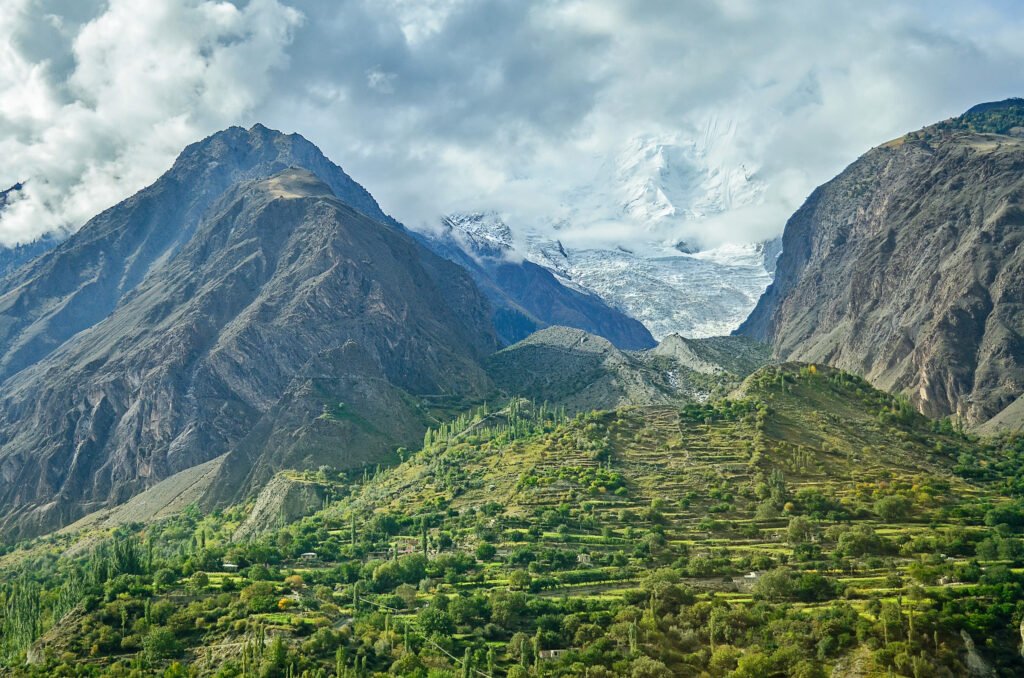
Islamabad and Pakistan’s northern valleys are close on the map, but everyday life changes with altitude, weather and community. A weekend around Saidpur or the Margalla Hills feels different from a visit to Hunza, Skardu, Kaghan or the Kalash valleys. There is no single “northern lifestyle”: local languages, food, work and traditions differ from valley to valley. This guide shares what visitors may notice, when the weather tends to feel warm or cold, and what to pack while travelling in a comfortable, respectful Pakistani style.
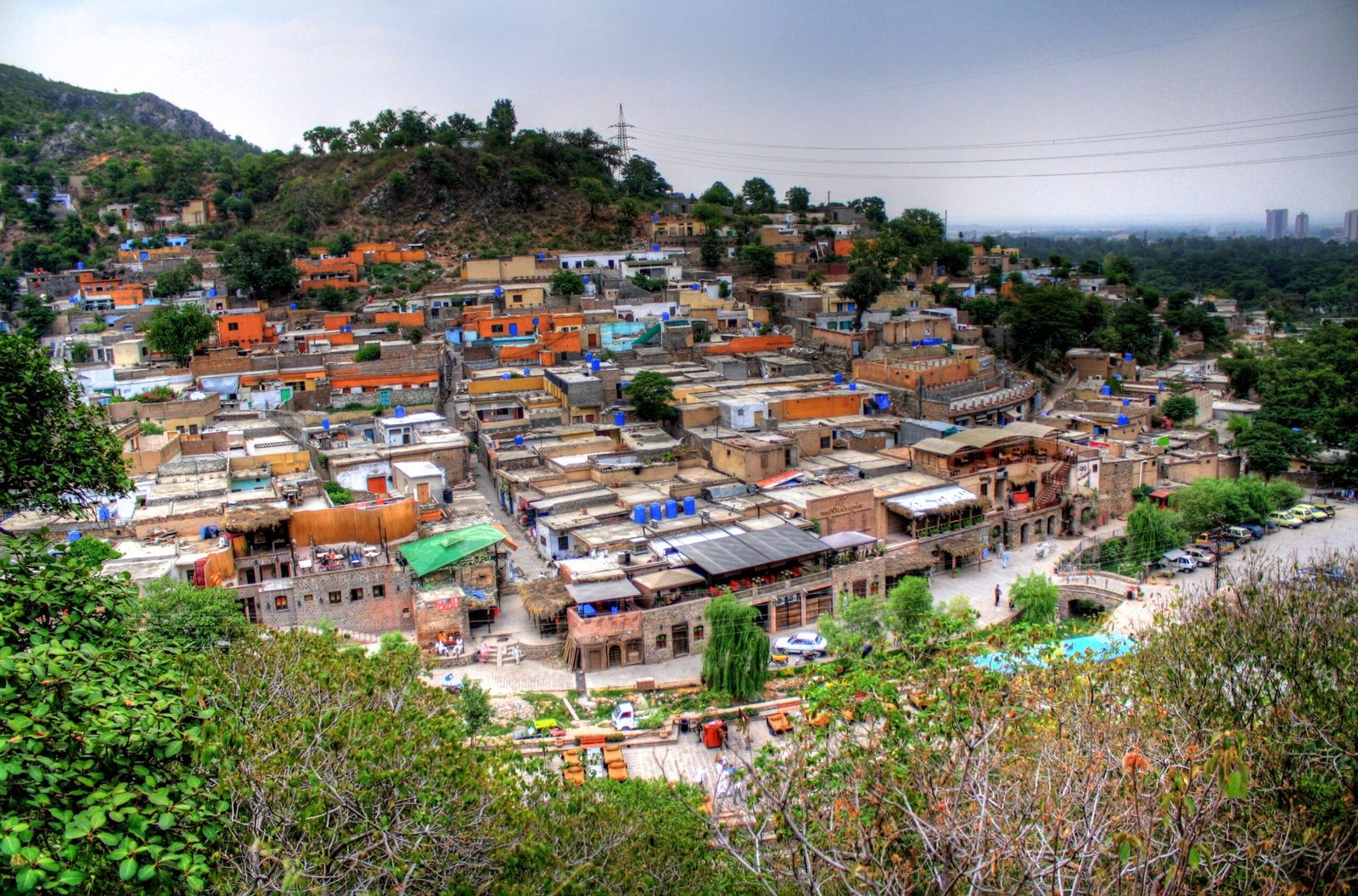
Everyday life around Islamabad’s visitor spots
Islamabad is a planned capital, but its character is shaped by people from many parts of Pakistan. On weekdays, residents move between offices, schools, neighbourhood markets and family homes. On cooler afternoons and weekends, parks, walking trails and viewpoints become part of city life. Visitors can see this everyday rhythm at places such as Fatima Jinnah Park, Rawal Lake and the Margalla trails.
Saidpur Village sits at the Margalla foothills and blends a historic settlement with cafés, small craft shops and places to eat. It is a living neighbourhood as well as a visitor stop, so take photographs thoughtfully and avoid treating residents as part of a display. Shah Allah Ditta’s caves and village setting offer a quieter look at the area’s long history. At Lok Virsa near Shakarparian, visitors can learn about folk music, embroidery, dress, jewellery and crafts from across Pakistan. The Capital Development Authority’s destination guide and Islamabad Capital Territory’s visitor list include these cultural and outdoor places.
Season changes the city routine. Spring and autumn are popular for walks and outdoor meals. In the hottest weeks, people often plan longer outings for the morning or evening. During the monsoon, showers can arrive quickly, so check conditions before hiking. Winter days can be sunny while mornings and evenings feel cold.
Different valleys, different ways of life
In the north, daily life is tied closely to the landscape and the season. In Hunza, orchards, village lanes and historic forts sit beside busy bazaars and modern guesthouses. People may speak local languages such as Burushaski alongside Urdu; customs and religious life vary between communities. In Baltistan, Balti language and heritage have their own strong identity, while Shigar, Khaplu and Skardu each have distinct histories and scenery.
Kaghan, Naran, Shogran and nearby valleys have a seasonal rhythm shaped by road access, farming and summer visitors. Chitral also has its own traditions, and the Kalash communities of Bumburet, Rumbur and Birir maintain distinct languages and festivals. A festival is a community event, not a performance arranged for visitors. Ask a local guide how to behave, follow any posted instructions and ask permission before photographing people. The Chitral Valley tourism guide recommends respectful dress, care around religious places and consent before taking photographs.
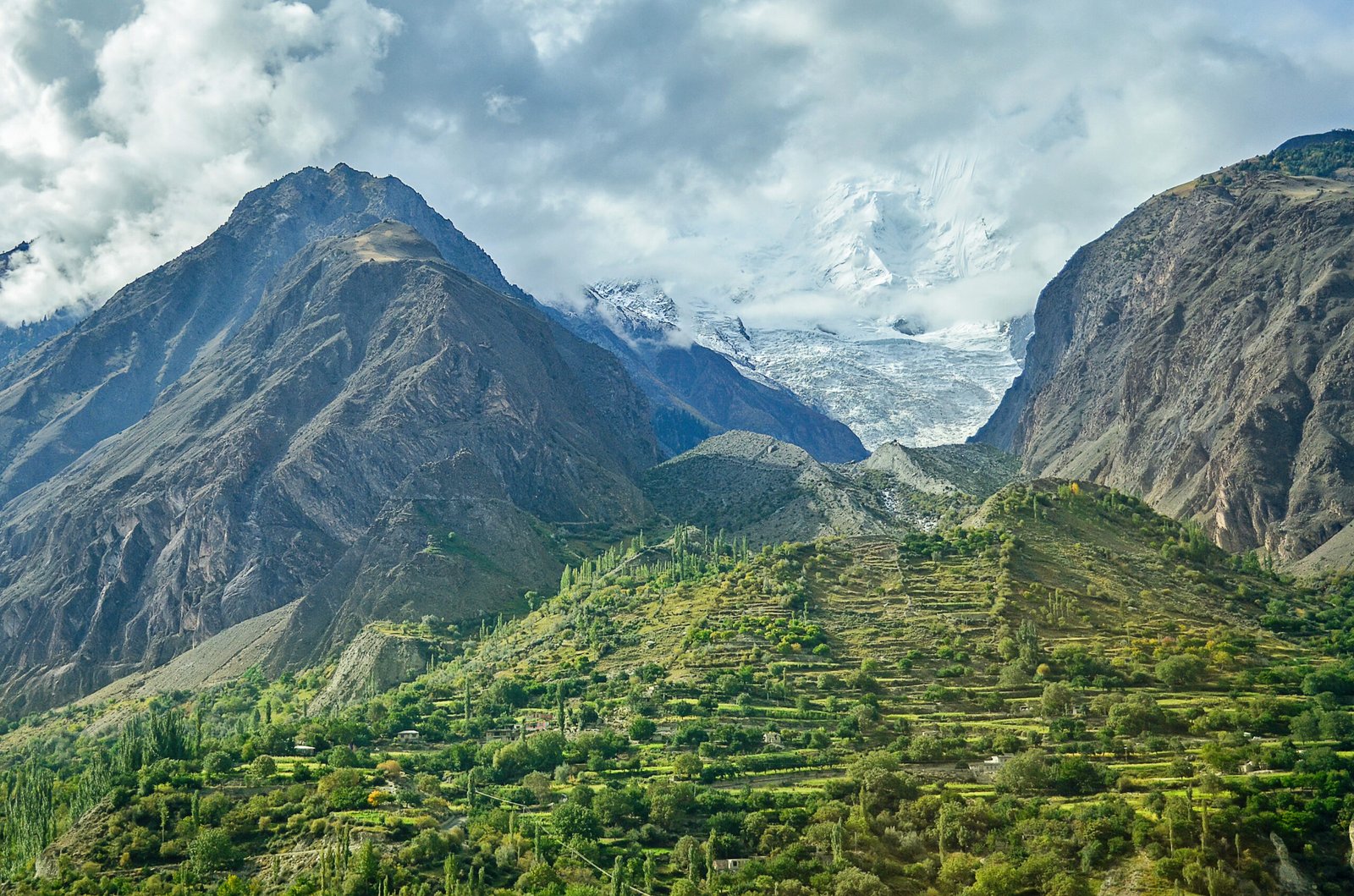
Weather by month: Islamabad and the northern areas
This is a broad packing guide, not a forecast. Islamabad’s climate is different from a high mountain pass, and even nearby valleys can have different conditions. Rain, snowfall, road access and night temperatures change from year to year. Check the Pakistan Meteorological Department’s tourist forecast and local road updates close to departure.
January–February: winter
Islamabad: cool to cold mornings and evenings, with sunny afternoons. North: winter conditions; higher places can have snow, very cold nights and reduced services. Pack warm layers and confirm roads.
March–April: spring begins
Islamabad: generally a comfortable time for outdoor visits. North: lower valleys begin to thaw, while high places remain cold and snow may linger. Bring layers and a light rain shell.
May–June: warm days, cool mountain nights
Islamabad: May turns warm to hot; June is usually hot. North: spring and early summer arrive at different times by altitude. Many valleys warm up, but evenings and higher viewpoints can still be chilly.
July–August: summer and monsoon
Islamabad: hot and humid, with monsoon showers or thunderstorms possible. North: a busy travel period; lower valleys may be warm by day, while higher places stay cooler. Rain can disrupt roads in some regions, so check local updates.
September–October: early autumn
Islamabad: September is warm; October is often more comfortable, with cooler evenings. North: many valleys have pleasant days and colder nights; autumn colours appear in some areas. Carry a warm layer.
November–December: cold returns
Islamabad: cool to cold mornings and nights. North: winter conditions return, with possible snow and fewer open services. Check the forecast, road access and accommodation before travelling.
Quick rule: Islamabad is usually hottest from late spring through summer, and coldest from December to February. For many northern destinations, July and August bring warmer daytime conditions at lower elevations, while November through March are the coldest stretch. Spring and autumn are comfortable in many places, but not everywhere at once. Hunza, Kaghan, Chitral, Skardu and high-altitude passes each follow their own pattern.
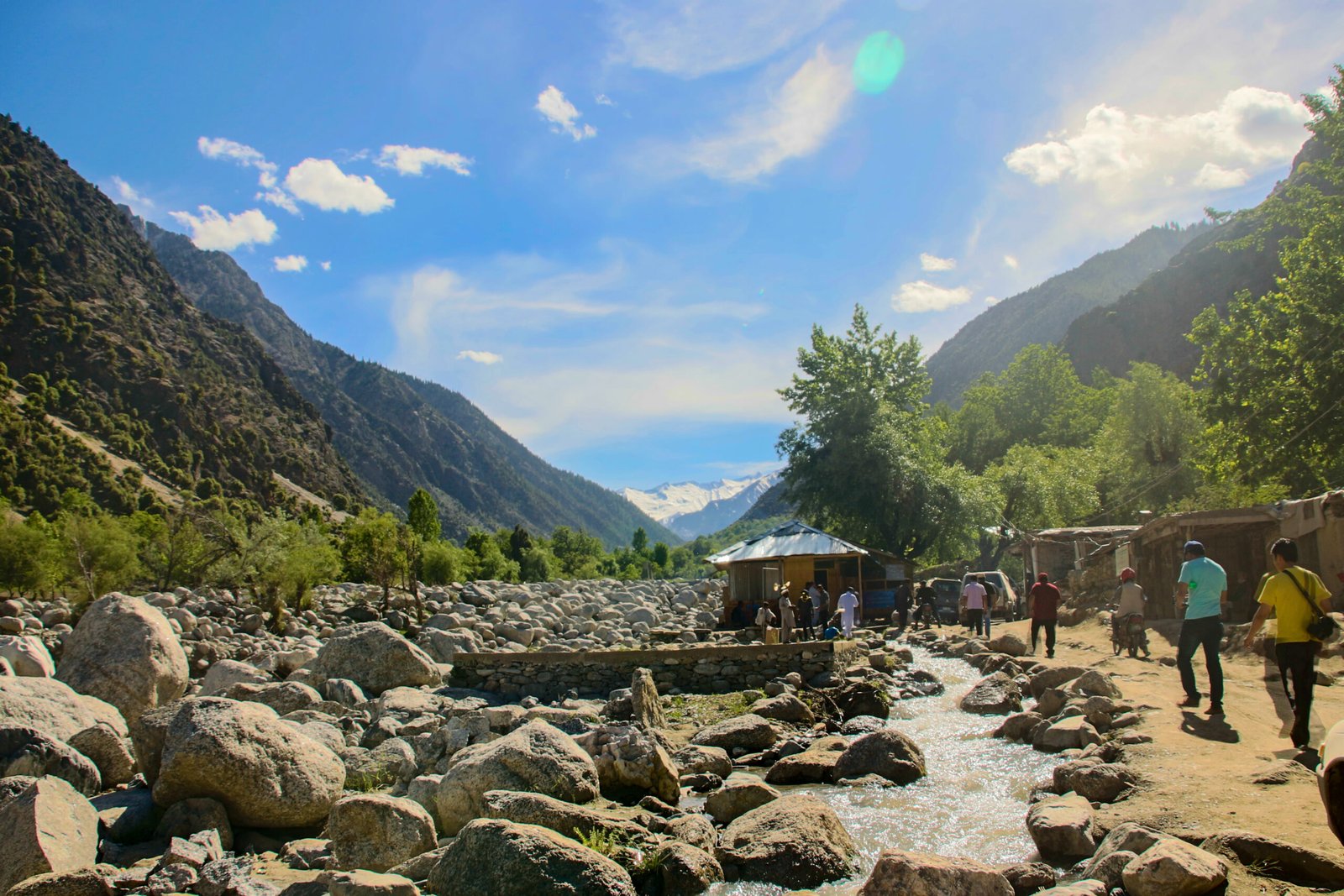
What should tourists wear?
Choose clothes that suit the weather and feel comfortable in local settings. In Islamabad’s warm months, breathable cotton or linen works well. For family visits, village lanes and cultural sites, shalwar kameez or other modest everyday clothing is a practical choice. Keep comfortable walking shoes for Saidpur’s lanes and the Margalla trails.
For northern trips, dress in layers rather than relying on one thick outfit: a light base layer, warm fleece or sweater, and a windproof or rainproof outer layer. Even in summer, carry a warm layer for early starts, evenings and higher viewpoints. For hikes, use sturdy shoes with good grip, sun protection, and a small rain jacket. In winter, add thermal layers, warm socks, gloves and footwear suited to snow or slush.
- Women may find a shawl useful for changing temperatures and for visiting mosques or shrines. A long, breathable outfit is comfortable in villages and markets.
- Men can wear shalwar kameez or trousers with a shirt; pack an extra warm layer for evenings in the mountains.
- Wear shoes that are easy to remove when entering a mosque or shrine, and follow the local caretaker’s instructions.
- Kalash clothing is part of a living community tradition. Do not wear it as a costume; ask before taking portraits and follow local guidance during festivals.
Small habits that make a visit better
Greet people politely, ask before photographing them, and respect privacy around homes and places of worship. Use local guides where helpful, buy crafts directly from local makers when possible, and pack out your litter. Carry some cash, but do not assume every village uses the same languages, customs or daily schedule. A little patience goes a long way when the weather changes or a road takes longer than planned.
Whether you are spending an afternoon in Islamabad or several days in the mountains, the best way to understand local life is to slow down, listen and let each place introduce itself. Plan for the season, dress in layers, and treat the people who call these places home with the same respect you would want from a visitor in your own neighbourhood.
Sources and practical updates
- Capital Development Authority: Islamabad destinations
- Islamabad Capital Territory: visitor attractions
- Pakistan Meteorological Department: tourist forecast
- Pakistan Meteorological Department: climate records
- Visit Chitral Valley: responsible tourism in the Kalash valleys
- Government of Pakistan: Northern Pakistan guide map